The Boy Scouts have a simple motto: “Be Prepared.” Whether you’re heading out on a weekend camping trip, an extended road trip, or overlanding deep into the backcountry, being prepared for minor medical issues can make all the difference.
A well-stocked first aid kit can save you from cutting a trip short over something as simple as a scraped knee, a headache, or an unfortunate gas station burrito.
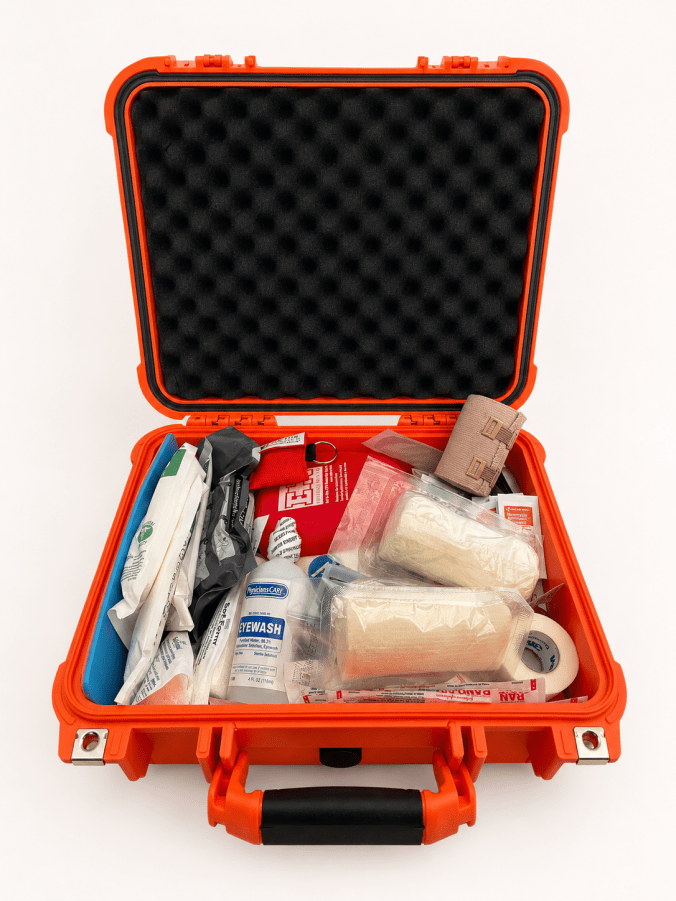
The list below is what I carry on every camping trip, road trip, and overlanding adventure. It’s based on years of outdoor travel, recommendations from experienced adventurers, and equipment lists used on Grand Canyon rafting expeditions where self-sufficiency is essential.
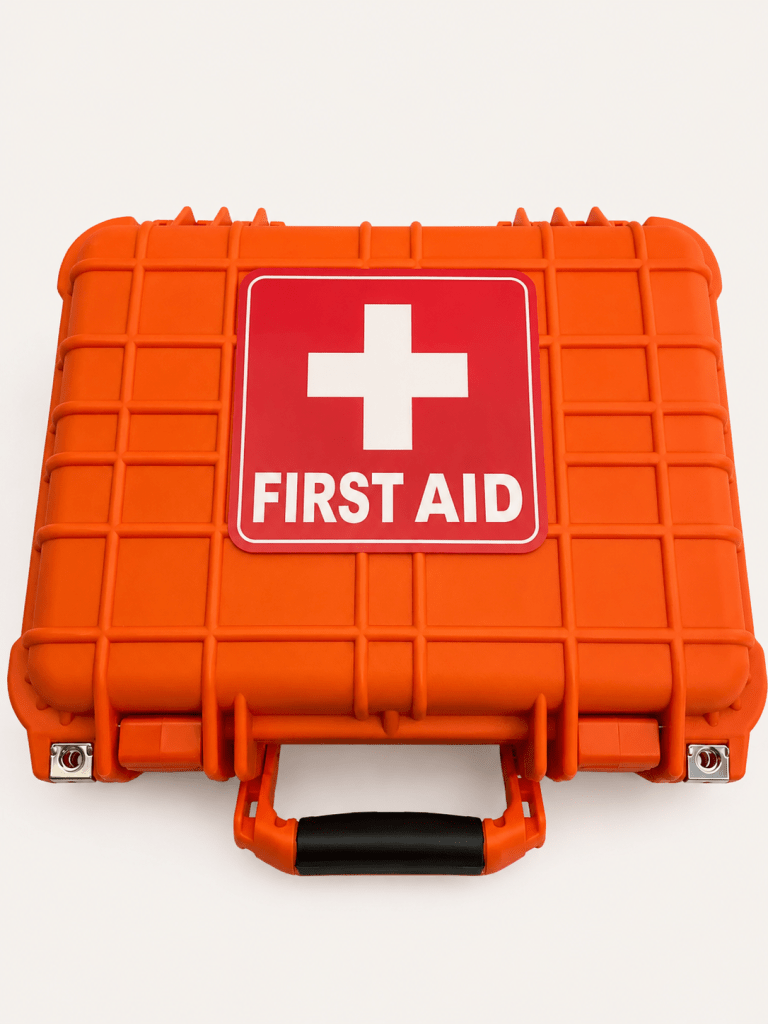
I keep everything organized inside a Harbor Freight Apache 2800 case. It’s waterproof, hard-sided, and durable enough to protect the contents from dust, moisture, and rough roads in the back of my vehicle.
Before You Build Your Kit
A first aid kit is only as useful as the person using it.
I highly recommend taking a few basic medical courses, especially if you spend time outdoors. CPR and Stop the Bleed are valuable skills for everyone, and if you regularly travel far from medical care, a Wilderness First Aid course is well worth the investment.
Medications
I keep a small supply of the following medications in clearly labeled containers:
- Tylenol (acetaminophen)
- Ibuprofen
- Daily allergy medication
- Benadryl (diphenhydramine)
- Imodium (anti-diarrheal)
- Tums/Pepcid for heartburn and indigestion
Always check expiration dates regularly and replace medications as needed.
These medications cover the most common issues you’re likely to encounter while traveling, including headaches, sore muscles after hiking, allergies, upset stomachs, and heartburn. Most of these are probably already in your medicine cabinet, so simply pack your preferred brands in clearly labeled containers.
Medical Tools
- Pulse oximeter
- Instant cold packs
- CPR face shield/mask
- Tourniquet
- Trauma shears
- Tweezers
- Bandage scissors
- Digital thermometer
- Medical gloves
These tools help you assess injuries, monitor someone’s condition, and safely treat common medical problems in the field. More importantly, they help you determine whether an injury can be managed on the trail or if it’s time to head home or seek medical care. A tourniquet is one of the few pieces of gear I hope I never use, but it’s also one of the few that can truly save a life. If you carry one, make sure you’ve taken a Stop the Bleed course and know how to use it correctly.
Wound Care & Treatments
- Triple antibiotic ointment
- Alcohol prep pads
- Antiseptic wipes
- Hydrocortisone cream
- Sterile eyewash
- Sting relief pads
- Burn cream
Cuts, scrapes, burns, insect bites, and eye irritation are some of the most common injuries while camping. Keeping wounds clean and protected reduces the risk of infection, especially when you’re far from medical care. Sterile eyewash is one item I rarely see included on first aid kit checklists. It’s much easier to flush dirt, dust, or debris from an eye with a proper eyewash bottle than trying to use a regular water bottle.
Bandages & Dressings
- Assorted adhesive bandages
- Knuckle bandages
- 4×4 sterile gauze pads
- Rolled gauze
- ACE bandage
- Butterfly closures
- Triangular bandage
- Cotton swabs
- Moleskin for blister prevention
A variety of bandages lets you handle everything from small cuts to larger wounds, sprains, and blisters. Moleskin alone has saved several hikes by preventing hot spots from turning into painful blisters.
Optional Additions
Depending on your travel style, you may also want to include:
- Kids’ bandages (if traveling with children)
- Electrolyte packets – These are my go-to electrolyte packets after long hikes or hot days on the trail.
- SAM Splint
- Prescription medications
- Emergency blanket
- Tick remover
- Headlamp or small flashlight
- Medical tape
- No Harbor Freight nearby? This case looks similar but is more expensive. Go for the apache case first if possible.
- First Aid Sticker – Placed on top of my case so it is clear to others what is in the case
These aren’t necessary for every trip, but they’re worth considering depending on your destination, group size, and how far you’ll be from medical care.
How Often Should You Check Your First Aid Kit?
I go through my first aid kit before every major trip. I replace expired medications, restock anything I’ve used, check batteries in my thermometer, and make sure everything is still sealed and ready to go. Five minutes of maintenance can save a lot of frustration later.
Customize Your Kit
One final thought that I can’t emphasize enough: no first aid kit is one-size-fits-all. Think about who you’re traveling with, where you’re going, and how long you’ll be away from medical care.
Who: If you’re bringing your dog, consider packing pet-specific supplies and any medications they may need. I don’t have a dog myself, so I won’t pretend to be an expert, but paw protection and basic wound care are worth researching before your trip. If you’re traveling with kids, a few character Band-Aids can go a long way toward turning a scary moment into something much less stressful.
Where: Your environment should influence what you pack. Living in Arizona, I don’t worry much about cold weather, but if you’re traveling somewhere cold or wet, make sure you have the supplies to prevent and treat hypothermia. An emergency blanket, fire starter, and dry layers can be just as important as the contents of your first aid kit.
How long: A weekend at a campground requires different preparation than a week-long overlanding trip hundreds of miles from the nearest pharmacy. Carry enough medications and wound care supplies for the duration of your trip, plus a little extra in case plans change. The farther you are from medical care, the more self-sufficient your first aid kit should be. A campground an hour from town and a remote backcountry trail require very different levels of preparation.
Final Thoughts
Hopefully you’ll never need more than a Band-Aid or a couple of ibuprofen, but it’s always better to have the supplies and not need them than to need them and not have them.
Your first aid kit doesn’t have to be expensive or overly complicated. Start with the basics, customize it for your family’s needs, and review it every year to replace expired medications and restock anything you’ve used.
A few minutes of preparation before your trip can save hours of frustration and potentially much more when you’re miles from the nearest town.
Affiliate Links: I’ve linked the specific products I use throughout this article. There are plenty of good alternatives, but these are the items I’ve personally chosen after years of camping and overlanding. As an Amazon Associate I earn from qualifying purchases. Using affiliate links you support the blog.